4.766911E-15 * EXP (-5.392648 * 4.12) = 1.06957E-24
And CoeffB value can be calculated to be equal to:
0.37109091 * 4.12 + 12.26236364 = 13.7913
If 3 hours after the last observation, the value of the noise free normalized cell
can in turn be estimated to be equal to:
1 / 3.8557 + 1.965 = 2.22 %
every 5 minutes or so. Next, the error between a selected target value and the current
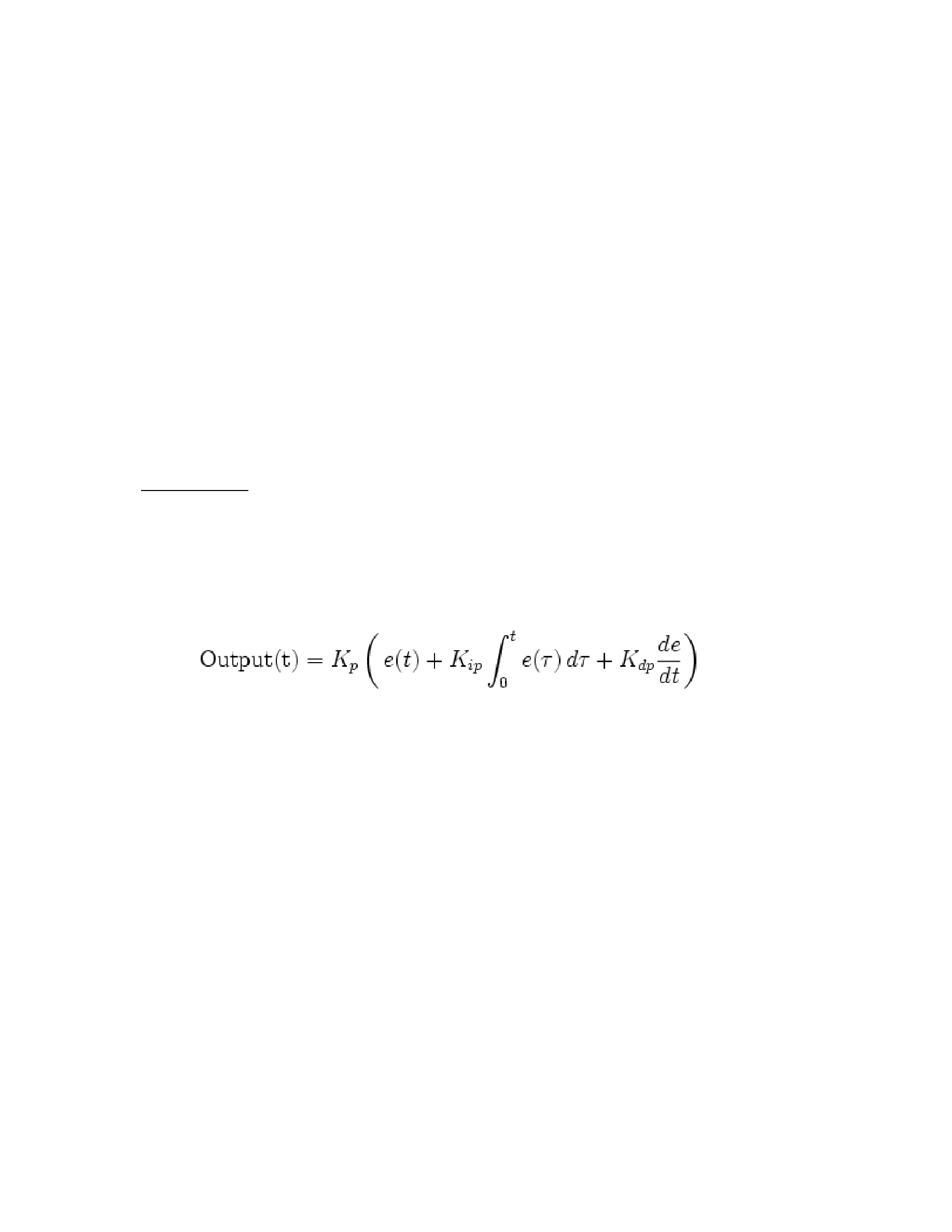
estimated value is used to adjust the alumina feeding rate using the standard PID
controller equation [10, 11]:
2000 * (2.30 2.21) = 180 kg/hr
Since the nominal feeding rate of the demo Dyna/Marc test case is about 180
would be about 200% of the nominal rate (180 + 180). That feeding rate would be
maintained for 5 minutes and then readjusted based on the new estimated value of the
dissolved alumina concentration at the time.
This summarizes the theory behind the In Situ control logic. It is clearly an
imagined to control the alumina concentration of a H.H. cell. Would this innovative
control logic work in a real cell? It is difficult to say with absolute certainty at this
stage as a number of assumptions are built into the logic. Continued testing in the
Dyna/Marc cell simulator will provide these answers in a risk free environment! This
is one of the reasons why cell simulators have been developed in the first place.