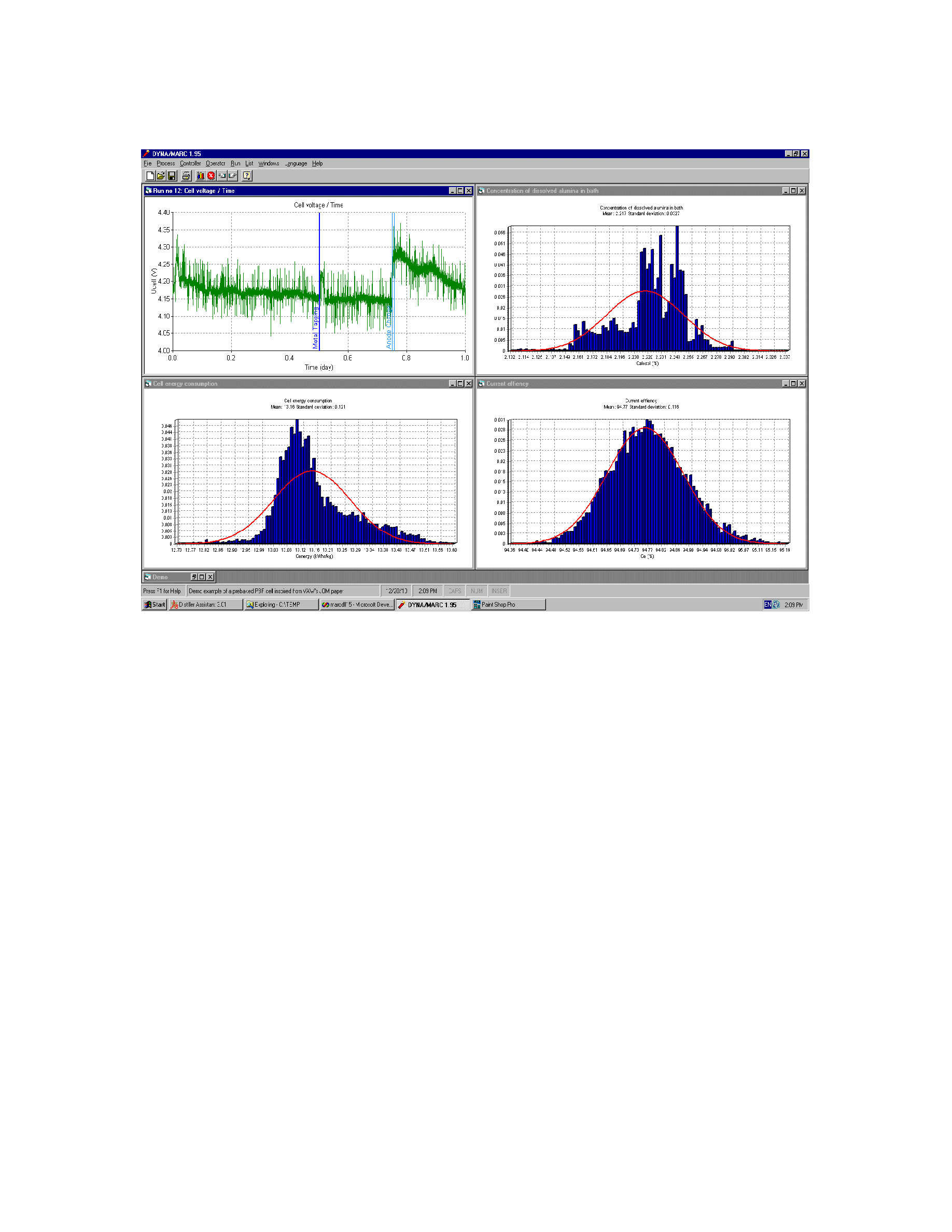
Figure 23: Process efficiency results employing the new In Situ control logic
ACD can be estimated at the end of a 5 to 10 minute no feed observation period only by
using the standard cell amperage and voltage data. With this information, it is possible to
employ a PID controller to regulate the rate of alumina feeding using only the normalized
cell voltage to calculate the error between the estimated dissolved alumina concentration
and a target value for an extended period of time.
In Situ
The dissolved alumina concentration is effectively controlled with an impressive
accuracy only using standard line amperage and cell voltage signals as feedback control
inputs. The drastic reduction of the process variation of the concentration of the
dissolved alumina, promotes the possibility of reducing the averaged value without
increasing the risk of anode effect. This new idea produced in the Dyna/Marc simulator
a positive impact on both current efficiency and the power efficiency.