in order to eliminate the metal roll noise. The simplest approach would be to use linear
root mean square (RMS) date fitting. It was already demonstrated in [8] that using linear
RMS data fitting is a reliable way to estimate the slope of the normalized cell voltage (or
alternatively the slope of cell pseudo-resistance). The secret of the accuracy is the
selection of the time period to be fitted. It was estimated that a 5 minutes was sufficient
to eliminate the metal roll noise but short enough to still be a good representation of the
evolution of the noise free normalized cell voltage curve (i.e. not significant curvature).
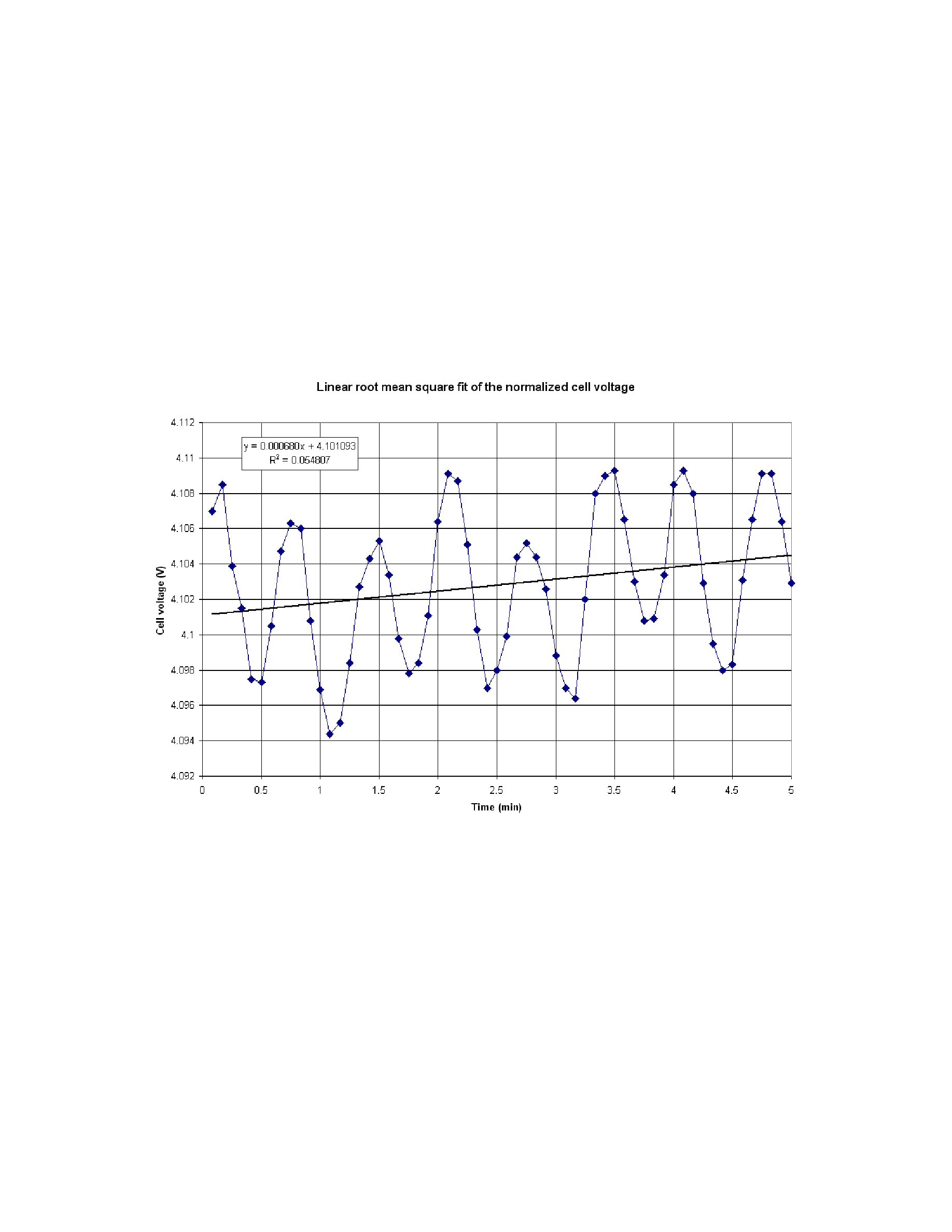
Figure 7 presents the results of such a 5 minutes fit using 60 data points.
Figure 7: Linear root mean square fit of the normalized cell voltage
This fit provides two important results; first it gives a prediction of the current
Second it gives a prediction of the current noise free slope of the normalized cell
Repeating this data curve fitting exercise every 5 minutes leads to the successive
more often than every 5 minutes. For example this can be done every 2.5 minutes or
even every minute by using the last 5 minutes of data.